
AI is not a wait-and-see technology. You’ll get no advantage in waiting to see how it “shakes out,” or whether the “AI bubble” pops.
Instead, it’s better to learn by doing.
That’s why smart teams are the ones happy to start getting their reps in early. Now’s the time to try out AI, find out what AI tools work best, what tools don’t, and how to design workflows that give you an advantage.
AI isn’t a passing fad; it’s an entirely new category of sales skills. Here’s why—and how—you should start practicing those skills now.
Why “Waiting to See” Is the Fastest Way to Fall Behind
“Wait and see” feels safe, but it’s not.
The world belongs to those who act. If you’re a smart sales team, you’re not waiting to see what happens with AI. You’re in the AI tools already. You’re getting your hands dirty, and you can’t wait to learn what comes next.
So think about what “wait and see” means. There are a lot of second-order effects to waiting and seeing:
- Not beginning the process of learning what AI is and how it can work for you
- Not finding out which AI tools fit your organization like a glove
- Not allowing the compounding power of learning to start working for you, rather than for your competitors
Does that feel particularly “safe” to you? No. If you wait around to see what “best practices” emerge, you’re just going to be delaying the beneficial effects of learning.
If you wait and see, you’ll give up ground to the companies that don’t.
True: you won’t be perfect with AI straight out of the gate. It could even be frustrating as you learn how to adapt it to what you do as a sales team.
But that’s all the more reason to get in as early as you can.
There’s an ancient proverb that says the best time to plant a tree is twenty years ago, but the second-best time is now. Adopting AI is going to feel like that. You might wish you had started mastering it years ago. You might feel like you’re late to the party already.
But there’s good news on this front. You can make immediate speed and efficiency gains simply by getting started.
MIT notes these immediate gains: “Artificial intelligence is used within the boundary of its capabilities, it can improve a worker’s performance by nearly 40% compared with workers who don’t use it.”
On the other hand, if you use AI outside those boundaries? Worker performance drops 19%.
There’s no reason to “wait and see” where AI fits. The shortcut is: embracing the technology and finding those gains as soon as you can. Otherwise, you’ll be looking for them six months from now, and wishing you’d started six months earlier.
Plus, the longer you wait, the longer you allow other people to define what AI is for you. If you don’t learn AI now, you may have to play catch-up later. Wouldn’t you rather be the sales team that figured out what works?
Ultimately, wait and see is just slow-playing an inevitable technology. You’ll do far better in 2026 and beyond if you stop waiting and start seeing.
Co-Creating with AI is a Skill You Need Now
One study found that simply implementing AI into sales strategies was useful enough to improve productivity by 47%. As that study notes, Microsoft’s simple “Daily Recommender” system, which identifies opportunities for sales reps, drove a 40% increase in sales.
So, think of it this way: AI is helping people upskill, but that doesn’t mean it will replace people.
Don’t ask “Will AI take my job?” Instead, think: “How can I use AI to boost efficiency around the tasks I already do?”
The best early AI adopters are already doing this. They’re implementing solutions like that example above. Or they’re experimenting with new tools. The results of being an early adopter are tangible. As that study showed, sales teams using AI are already generating up to 50% more eads while reducing costs by 60%.
Is AI really a “wait and see” innovation at this point?
No. Early adopters are already reporting huge time savings and increased efficiency. But the best gain may be the intangible one: creativity. When a machine handles data and customer sentiment analysis, human sales reps have more mental bandwidth for complex deals and creative strategy.
If you’re still struggling to see the use case for AI in your sales team, maybe redefine your expectations. Stop believing AI is here to take jobs, and start leaning into what it can do to help the humans who already work in your team to close more deals.
How to Start Integrating AI Today (Without Waiting for Perfect Conditions)
Start slow. Just as long as you start.
Too many teams transition from minimal AI usage to attempting to automate their entire process on day one.
Sure, you can make immediate gains with AI. But if you expect there to be a “make sales for me” button you can press, you’re trying to do too much at once.
Instead, start small. Try one integration first. Let it handle a tiny, low-risk chunk of your sales process, then verify it works before you move on to the next. Some examples:
- Let AI draft the first version of a follow-up email or a new blog post. You can still review it before sending/publishing.
- Have AI summarize your call, then draft you a list of key action items from the summary.
- Let AI generate five variations of an outreach email. Then you can A/B test them manually to see if you like AI as part of your outreach strategy.
Find the most boring tasks—and then give those to AI.
You’re probably looking to offload those boring tasks anyway, right? So look around your existing tools—ahem, Close CRM—and see what you can already achieve with AI.
Some examples here:
- Give AI a list of call transcripts and ask it to pull out the most common objections.
- Give your AI a sales meeting transcript and look for three key takeaways.
- Upload a table of your sales data and ask AI for some insights into which customer profiles might work best as leads.
Invest in a CRM that makes AI integration seamless.
The easiest way to get started is to find the right CRM. That CRM will get started for you.
Think back to when you first encountered a CRM. You didn’t play the waiting game, did you? No. Because they’re helpful. And now that CRMs can integrate AI more easily, there’s an equally easy transition waiting to be made:
Find the right CRM with AI tech packed inside. You’ll be well ahead of the competition.
Consider what kind of AI works within Close CRM:
- Letting AI detect “deal slippage,” or leads who have been stuck inside a stage too long.
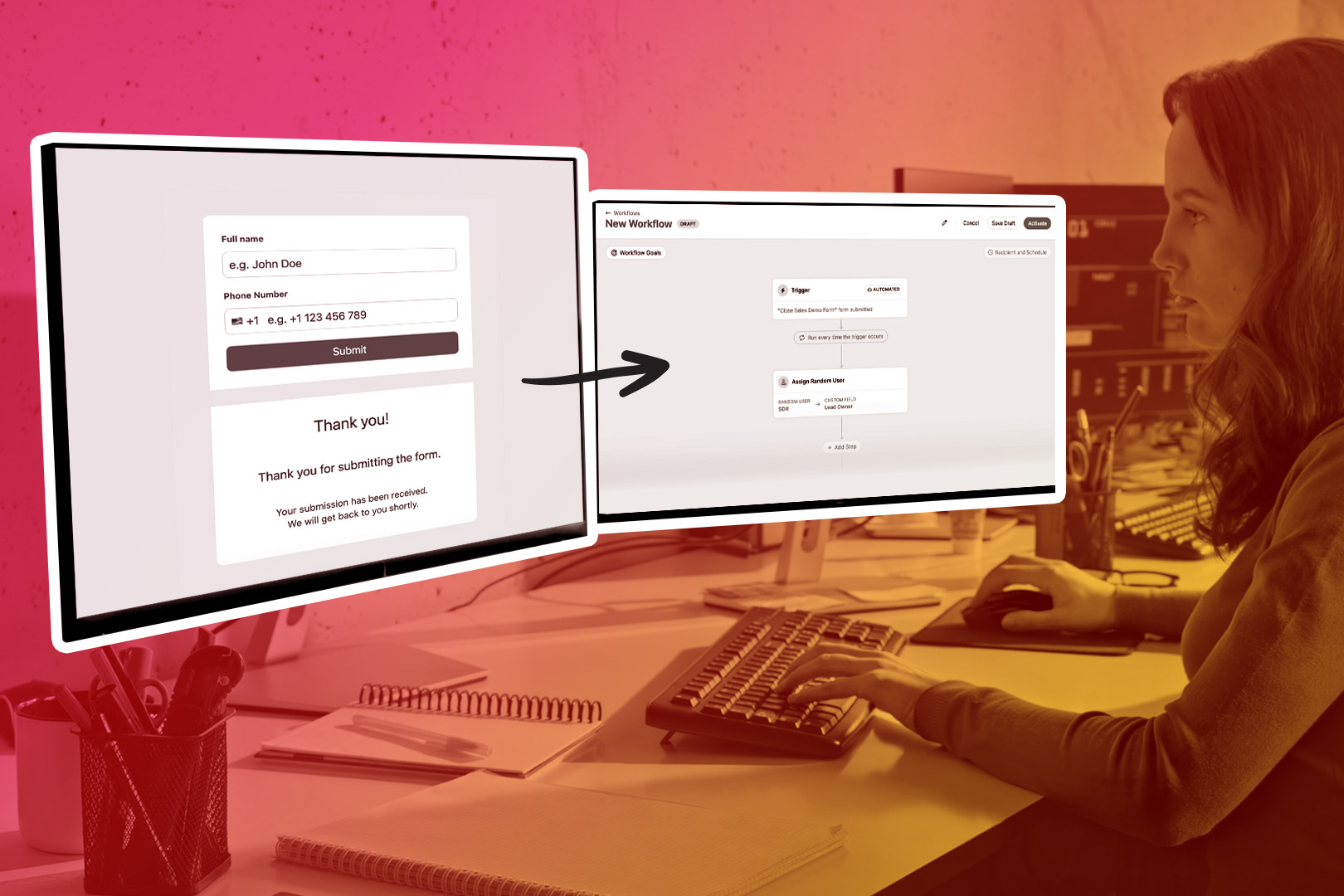
- Automatically assigning inbound leads to specific SDRs.
- Recommending new sequences or templates based on the outcome data already present in your CRM.
Operationalizing What You’ve Learned
Okay, you’re convinced. What next? Where do you start? A few tips as you progress from “wait and see” to “we’ll learn AI now.”
- Learn before you scale. Iterate first. Use AI, find what works, toss what doesn’t. Don’t try to scale a system you don’t have in place to begin with. Document what works best, then try to scale.
- Automate what you can. If you can automate just one process for your sales team, that’s a process forever automated. That’s an easy win right there. CRM pipeline automations are a good target here.
- Reflect. AI doesn’t become a new skill overnight. It takes some iteration, experimenting, and learning from your mistakes. So look at what works with your new AI skills and what needs work. Are there any common patterns that can help you adjust your expectations?
- Invest in AI infrastructure. Close CRM AI features are nice here—think automated call summaries, email drafting, and automatically prioritizing leads. Simply acquiring the right infrastructure is enough to press “fast forward” on your ability to manage AI.
Ending the “Wait and See” Approach
There are few things in business as powerful as the power of compounding. So why not compound your AI skills as soon as possible?
Now’s the time to lean in. People who capture the next wave of technology are the ones who give themselves a head start.
Ready to see what it looks like to “learn now” by investing in a CRM that can help? Give Close CRM a try and kickstart your AI learning process today.